Money in Bosnia: Currency, Cards, Exchange and What Things Cost
Bosnia uses the convertible mark (KM), not the euro. Here's where euros and cards are accepted, where to exchange money without losing on the rate, and what things cost in Sarajevo.
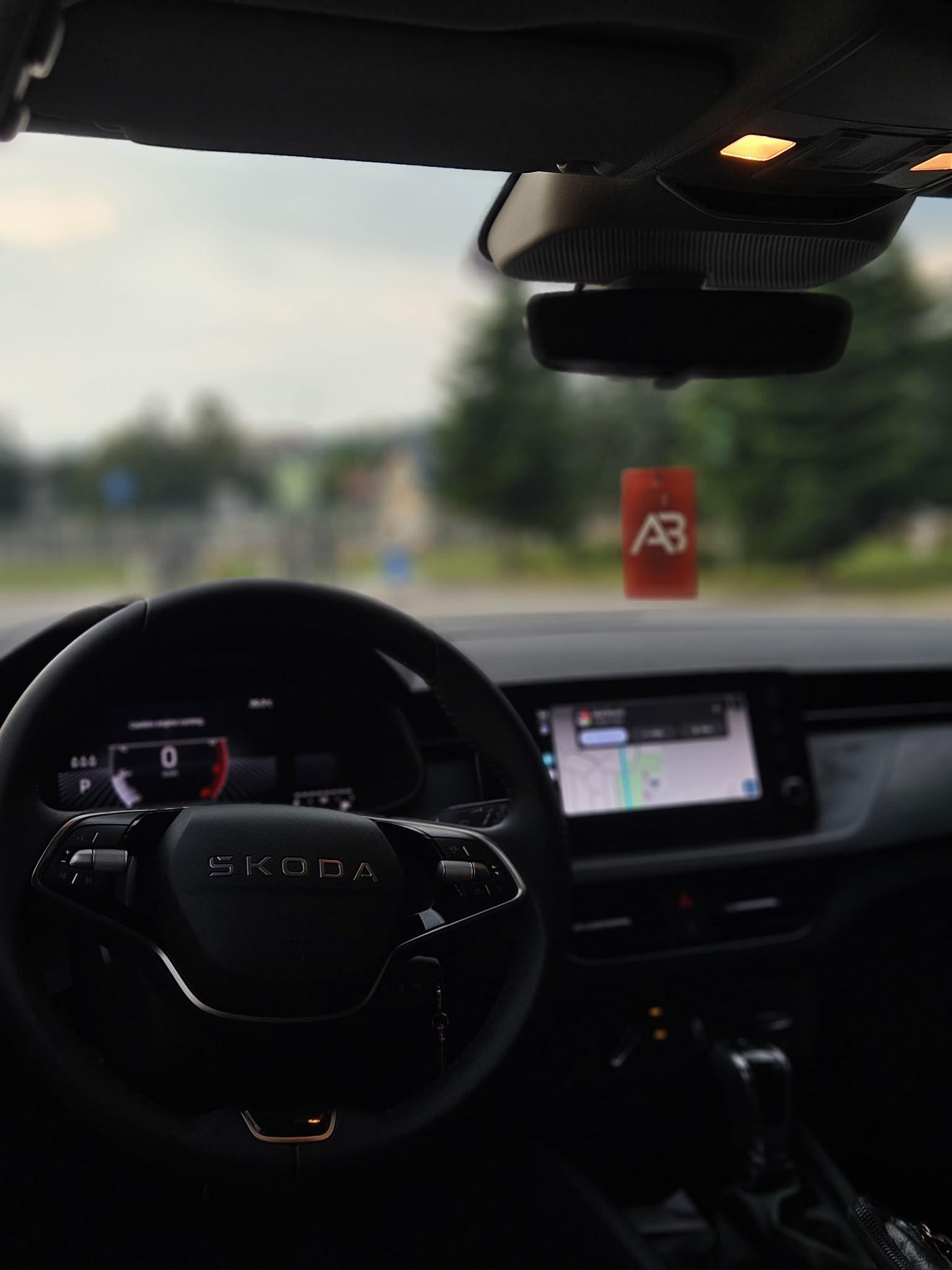
Photo: @ab_rent_car
Bosnia and Herzegovina is not in the euro zone, but the euro is never far away. Its currency is fixed to the euro, many places accept euros, and prices are often shown in both. That makes money here simpler than it first looks, as long as you know a few local habits.
This guide covers the currency, when you can pay in euros, cards versus cash, where to exchange money, typical prices and how payment works when you rent a car with us. It's written by the AB Rent a Car team in Sarajevo.
In this guide
- What currency does Bosnia use?
- Can you pay in euros in Bosnia?
- Cards or cash?
- Where to exchange money
- What things cost in Sarajevo
- Paying for your rental car with AB Rent a Car
- Before you leave Bosnia
- Frequently asked questions
What currency does Bosnia use?
The currency is the convertible mark, written KM locally and BAM internationally. One mark is divided into 100 fening.
- The rate to the euro is fixed: 1 EUR = 1.95583 KM. In practice, people round it to about 2 KM per euro, so a price of 20 KM is roughly €10.
- Banknotes: 10, 20, 50, 100 and 200 KM.
- Coins: 5, 10, 20 and 50 fening, and 1, 2 and 5 KM.
- The same currency is used in the whole country, in the Federation and in Republika Srpska, including Sarajevo, Mostar and Banja Luka.
Because of the fixed rate, the value of the mark against the euro never changes. Against the dollar, pound or other currencies it moves together with the euro.
Can you pay in euros in Bosnia?
Often, yes, but not everywhere:
- Usually accepted: hotels, many restaurants and shops in tourist areas of Sarajevo and Mostar, souvenir shops, tour companies and many car rental companies, including us.
- Often not accepted: small bakeries, markets, public transport, parking meters, petrol stations outside the cities, and shops in smaller towns.
- Change comes back in KM. If you pay with a €50 note, expect your change in marks.
- Check the rate. Shops usually use a rate close to 1.95, but some round it down to 1.9 or less. For small amounts the difference is small, for big amounts it adds up.
Our tip: carry some KM for daily spending, and use euros only as a backup.
Cards or cash?
Cards are widely accepted in cities: hotels, restaurants, supermarkets, shopping centres and petrol stations take Visa and Mastercard, and contactless payment is common. American Express is accepted much less often.
Cash is still needed for:
- bakeries, burek shops and small cafés
- markets and small shops
- taxis (some take cards, many don't)
- parking in some zones and garages
- villages, mountain restaurants and small towns
A good mix is a card for bigger payments and 50–100 KM in cash per day for small ones.
Where to exchange money
- Exchange offices (mjenjačnica). You'll find them all over central Sarajevo and Mostar. They usually offer the best rates for euros, dollars, pounds and Swiss francs, with no commission. Compare the buy rate shown on the board.
- Banks. Safe and reliable, with rates a little worse than exchange offices and shorter opening hours.
- The airport. Convenient, but the rate is usually worse. Exchange only what you need for the first day.
- Hotels. Usually the worst rate.
Using ATMs
ATMs are everywhere in cities and give you KM directly. Two things to watch:
- Fees. Some banks charge foreign cards a fixed fee per withdrawal, others don't. The ATM shows the fee before you confirm, so cancel and try another bank if it's high. Fewer, larger withdrawals keep fees down.
- Always choose "without conversion" (pay in KM). If the ATM or card terminal offers to charge you in your home currency, decline. That "conversion" uses a poor rate, and your own bank's rate is almost always better. The same applies when paying by card in shops and restaurants.
Cards like Revolut and Wise work well in Bosnia and usually give you a good rate for KM.
What things cost in Sarajevo
Bosnia is one of the more affordable countries in Europe. These are typical prices in Sarajevo in 2026, as a rough guide:
| Item | Typical price |
|---|---|
| Bosnian coffee or espresso in a café | 2–4 KM (€1–2) |
| Portion of ćevapi (10 pieces) | 12–16 KM (€6–8) |
| Burek or pita, one portion | 4–7 KM (€2–3.50) |
| Main course in a mid-range restaurant | 15–30 KM (€8–15) |
| Bottle of water (0.5 l) in a shop | 1–2 KM (€0.50–1) |
| Short taxi ride in the city centre | 7–15 KM (€3.50–7.50) |
| Litre of petrol or diesel | about 3.5–3.8 KM (€1.75–1.9) |
For parking zones and prices, see our guide to driving and parking in Sarajevo.
Tolls. The A1 motorway has toll stations, and the sections near Sarajevo cost only a few KM. You can pay in cash (KM) or by card.
Tipping. Tips are not required, but common: round up in cafés and leave about 10% in restaurants if you were happy with the service.
Paying for your rental car with AB Rent a Car
We keep payment simple, especially for visitors who don't want to use a credit card:
- Cash in any currency. You can pay the rental and the deposit in cash in KM, euros, dollars, pounds, Swiss francs or another currency.
- Card if you prefer. The rental can also be paid with a credit or debit card. Online card payments are charged in KM at the fixed rate of 1 EUR = 1.95583 KM, so there's no exchange margin on our side.
- Cash deposit, nothing blocked on your card. The security deposit is paid in cash, starts at about €200 (391.17 KM) and depends on the car. You get it back in cash as soon as you return the car in the same condition. You don't need a credit card at all.
- Prices in EUR or KM. Use the EUR / BAM switch at the top of our website to see prices in the currency you prefer.
Picking up at the airport? Read how airport pickup and payment work. To see prices for your dates, go to our rent a car Sarajevo page.
Before you leave Bosnia
The convertible mark is hard to exchange outside the region, and banks abroad give a poor rate if they take it at all. Spend your last KM before you fly home, for example on fuel before returning the car, or change them back to euros at an exchange office in town. Keep in mind that Croatia and Montenegro use the euro, and Serbia uses the dinar, if you're driving across the border.
Frequently asked questions
Is the euro the official currency in Bosnia?
No. The official currency is the convertible mark (KM / BAM), fixed at 1 EUR = 1.95583 KM. Euros are accepted in many places, but not everywhere.
Should I bring euros or exchange money before I travel?
Bringing some euros is useful, because they're easy to exchange and often accepted directly. You can't usually buy KM before you travel, so get them from an ATM or exchange office when you arrive.
Can I use my card everywhere?
In cities, almost everywhere. Carry cash for bakeries, markets, taxis, parking and small towns.
Is Bosnia expensive for tourists?
No. Food, coffee, transport and accommodation are cheaper than in most of Western Europe and in nearby Croatia.
Can I rent a car without a credit card?
Yes, with us. The deposit is paid in cash in any currency, and nothing is blocked on a card.
bosnia currencyconvertible markmoney in bosniasarajevo pricesexchange money
Recommended cars
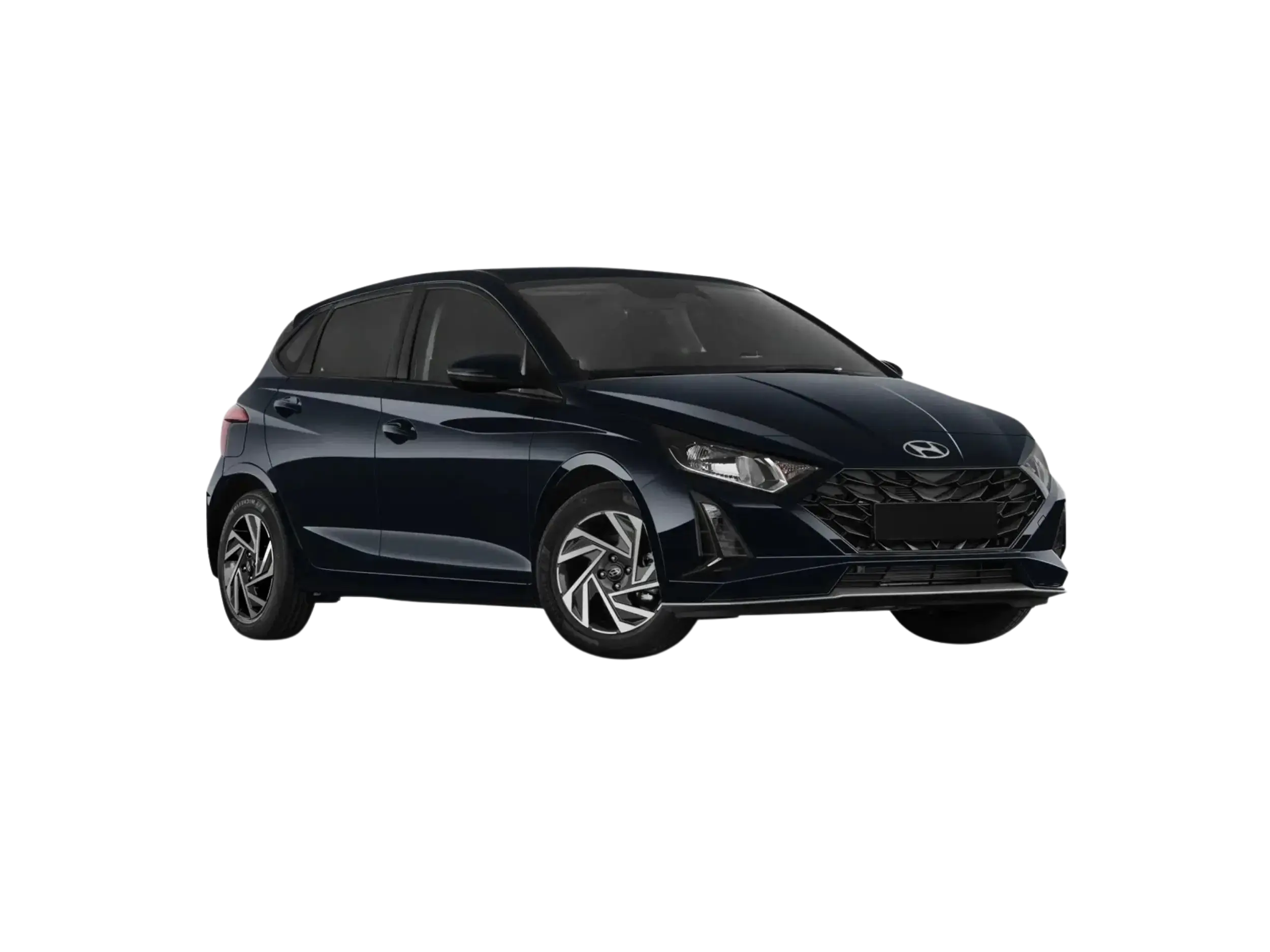
Hyundai i20
Hatchback
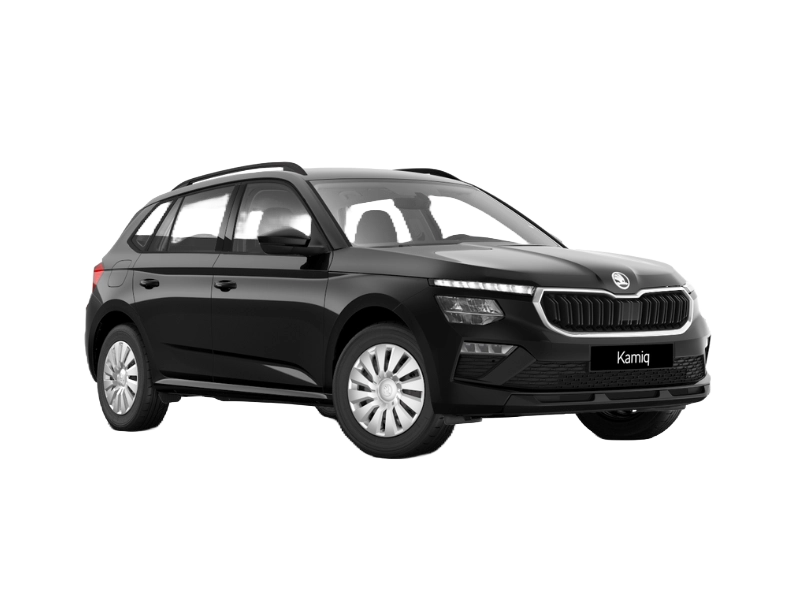
Škoda Kamiq
Small SUV
Škoda Octavia
Sedan